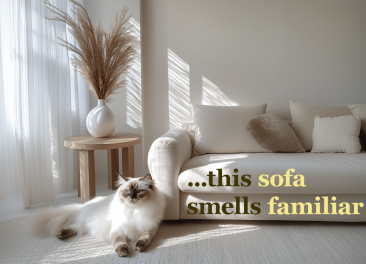
Why Sofa Cleaning Frequency Matters in Singapore’s Climate
In Singapore’s warm and humid climate, sofas are exposed to more than just everyday dust. Moisture in the air, combined with body sweat, spills, and constant use, can cause dirt, bacteria, and allergens to build up deep within sofa fabric. Unlike carpets, sofas are in close contact with skin, clothing, and personal spaces, making hygiene an important consideration for households.
High humidity also slows down natural evaporation, meaning moisture trapped inside sofa cushions can linger longer. Over time, this can lead to unpleasant odours, fabric deterioration, and the growth of mould or dust mites. Even if a sofa looks clean on the surface, contaminants may still be embedded within the upholstery layers.
Because of these conditions, cleaning frequency plays a key role in maintaining both sofa appearance and indoor air quality. Regular professional cleaning helps remove trapped pollutants, keeps fabrics fresh, and extends the lifespan of sofas in Singapore homes.

How Often Should Sofas Be Cleaned in Singapore Homes?
For most households in Singapore, sofas should be professionally cleaned every 6 to 12 months. This timeframe helps remove accumulated dust, sweat, oils, and allergens that build up due to regular use and the country’s humid climate. Even with routine vacuuming, deeper contaminants can settle into the sofa fabric and cushions over time.
Homes with higher usage may require more frequent cleaning. If the sofa is used daily, shared by multiple family members, or located in common areas such as living rooms, professional cleaning every 3 to 6 months is often recommended. This is especially relevant for households with children, pets, or individuals with allergies, as sofas can trap pet dander, food crumbs, and airborne pollutants.
In some situations, sofas may need immediate cleaning outside the regular schedule. Major spills, illness in the household, renovation work, or prolonged exposure to humidity can cause dirt and moisture to penetrate deeper into the upholstery. Addressing these issues early helps prevent long-term damage and keeps the sofa hygienic and comfortable.
Factors That Affect How Often Sofas Need Cleaning
While general cleaning guidelines are helpful, the ideal sofa cleaning frequency can vary depending on several household-specific factors. One of the most important is usage. Sofas used daily, especially in shared family spaces, collect dirt and body oils faster than sofas used occasionally.
Household composition also plays a role. Homes with young children or pets often experience more spills, stains, and allergen buildup. Pet hair, dander, and outdoor dirt can settle deep into sofa fabrics, increasing the need for more frequent professional cleaning.
The type of sofa material matters as well. Fabric sofas generally absorb moisture and odours more easily than leather or synthetic upholstery, particularly in humid environments. Natural or delicate fabrics may require specialised care and gentler cleaning methods, which can influence cleaning frequency.
Environmental conditions such as humidity and ventilation further affect sofa cleanliness. In Singapore, moisture in the air can slow drying and encourage the growth of mould or dust mites if sofas are not cleaned and dried properly. Homes with limited airflow or heavy reliance on air-conditioning may need more frequent professional attention.
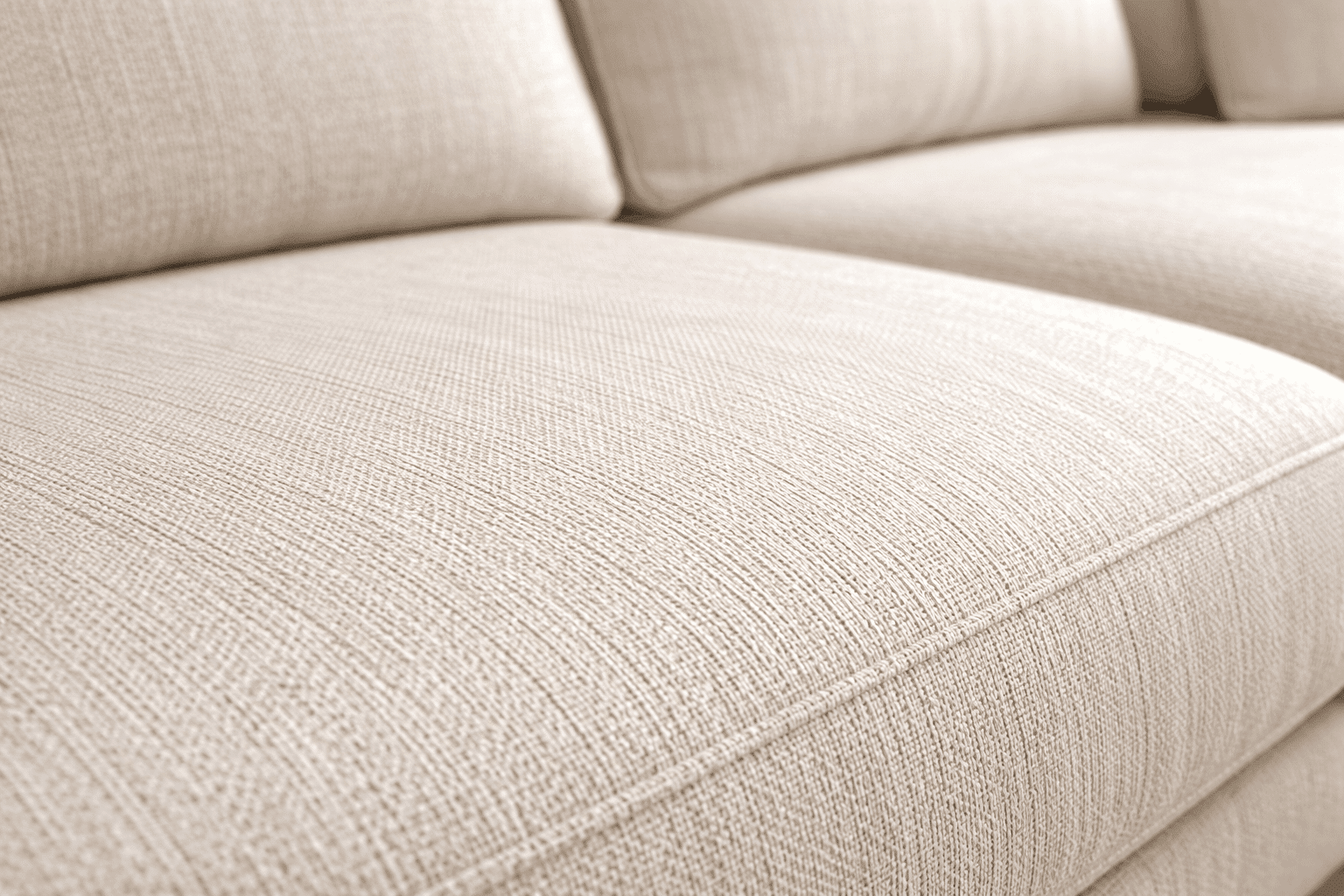
Signs Your Sofa Needs Professional Cleaning
Even when a sofa appears clean, certain signs indicate it may be time for professional cleaning. One of the most common is persistent odours. If smells linger despite regular vacuuming or spot cleaning, it often means dirt, sweat, or moisture has penetrated deep into the upholstery.
Visible stains or dull-looking fabric are also clear indicators. Spills that were not fully treated can resurface over time, and fabric may lose its original colour or texture due to embedded grime. In humid conditions, moisture can cause stains to spread or darken if not addressed properly.
Another sign is an increase in allergy symptoms such as sneezing, itching, or respiratory discomfort, particularly when spending time near the sofa. Upholstered furniture can trap dust mites, pollen, and pet dander, which may affect indoor air quality even if the surface looks clean.
If it has been more than a year since the last professional cleaning, or if the sofa has experienced heavy use, renovation dust, or illness in the household, professional cleaning is recommended to restore hygiene and freshness.
DIY Sofa Cleaning vs Professional Sofa Cleaning
DIY sofa cleaning methods, such as vacuuming, wiping with mild cleaners, or using store-bought upholstery sprays, can help manage surface dirt and minor spills. Regular vacuuming is especially useful for removing loose dust, crumbs, and pet hair and plays an important role in routine sofa maintenance.
However, DIY cleaning has its limitations, particularly in Singapore’s humid climate. Household products and equipment often lack the power to remove deep-seated dirt, sweat, oils, and allergens trapped inside sofa cushions. In some cases, excessive moisture from DIY cleaning can soak into the padding and take a long time to dry, increasing the risk of odours or mould growth.
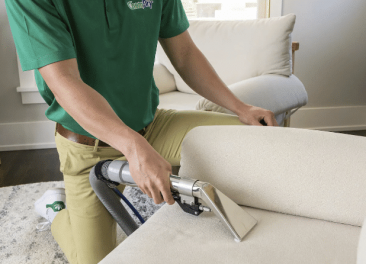
Professional sofa cleaning goes deeper. Trained cleaners assess the sofa material, level of soiling, and moisture sensitivity before choosing the appropriate method. Professional equipment is designed to lift embedded contaminants while controlling water usage, allowing sofas to dry more efficiently. This is especially important in humid environments where prolonged dampness can compromise fabric quality and hygiene.
While DIY cleaning is helpful for regular upkeep, professional sofa cleaning is recommended at intervals to maintain cleanliness, extend sofa lifespan, and support healthier indoor air quality.