Steam cleaning is one of the most commonly discussed carpet cleaning methods in Singapore. Many homeowners and businesses consider it an effective solution for deep cleaning because it uses hot water to remove dirt, bacteria, and allergens. However, due to Singapore’s consistently humid climate, questions often arise about whether steam cleaning is truly safe for carpets in the long run.
Concerns about slow drying times, moisture retention, mould growth, and carpet damage are especially relevant in enclosed, air-conditioned spaces such as HDB flats, condominiums, and offices. While steam cleaning can be effective under certain conditions, it may not always be the most suitable option for every carpet type or environment.
In this guide, we take a closer look at how steam cleaning works, its advantages and potential risks in Singapore’s climate, and when alternative professional carpet cleaning methods may be more appropriate. This will help you make an informed decision based on your space, usage, and environmental conditions.
Why Carpet Cleaning Methods Matter in Singapore’s Humid Climate
Singapore’s tropical climate creates unique challenges when it comes to carpet care. High humidity levels mean that carpets take longer to dry after cleaning, especially when large amounts of water are used. When moisture remains trapped within carpet fibres, it can lead to unpleasant odours, mould growth, and the buildup of bacteria and allergens over time.
In homes and offices where ventilation is limited, slow-drying carpets can negatively impact indoor air quality. This is particularly concerning for households with children, elderly occupants, or individuals who experience allergies or respiratory sensitivity. Even carpets that appear clean on the surface may still retain moisture underneath if the cleaning method does not effectively control water usage.
Because of these conditions, choosing the right carpet cleaning method in Singapore is just as important as cleaning frequency. Understanding how different cleaning techniques interact with humidity helps prevent long-term damage and ensures carpets remain hygienic, fresh, and safe for daily use.
What Is Steam Cleaning and How Does It Work?
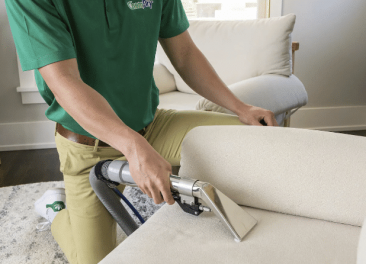
Steam cleaning, also known as hot water extraction, is a carpet cleaning method that uses hot water mixed with cleaning agents to loosen dirt, stains, and contaminants trapped within carpet fibres. The solution is sprayed deep into the carpet and then extracted using strong suction, along with the dissolved dirt and debris.
The high temperature of the water helps break down oils and grime, while also killing bacteria, dust mites, and some allergens. This is why steam cleaning is often perceived as a “deep clean” option and is commonly recommended for heavily soiled carpets or periodic intensive cleaning.
However, steam cleaning typically involves using a significant amount of water. In climates with low humidity, carpets may dry relatively quickly after the process. In Singapore, where humidity levels remain high throughout the year, drying times can be much longer if moisture is not carefully controlled. Excess water left behind in the carpet backing or padding can create conditions that encourage odour development, mould growth, or fibre damage over time.
Is Steam Cleaning Safe for Carpets in Singapore Homes?
Steam cleaning can be safe for carpets in Singapore homes when done correctly and under the right conditions, but it is not always the ideal solution for every household. The safety of steam cleaning depends on factors such as carpet material, moisture control, ventilation, and drying time.
In many Singapore homes, especially HDB flats and condominiums, indoor spaces are air-conditioned and ventilation may be limited. When carpets are steam cleaned using large volumes of water, they can take longer to dry in these environments. Prolonged dampness beneath the carpet surface may lead to musty odours, bacterial growth, or mould development if moisture is not fully extracted.
Carpet type also plays an important role. Synthetic carpets generally tolerate steam cleaning better than natural fibre carpets such as wool or delicate blends. Natural fibres are more sensitive to heat and moisture and may shrink, weaken, or lose texture when exposed to excessive water. Older carpets or those with thick padding underneath are also more prone to moisture retention.
For homes with children, pets, or individuals sensitive to allergens, steam cleaning may provide short-term benefits by reducing bacteria and dust mites. However, if carpets are not dried thoroughly and quickly, lingering moisture can counteract these benefits over time.
Common Risks of Steam Cleaning in Humid Environments
One of the most common risks of steam cleaning in humid environments like Singapore is slow drying time. High humidity makes it harder for moisture to evaporate, especially in enclosed or air-conditioned rooms. When carpets remain damp for extended periods, they may develop unpleasant odours or become a breeding ground for mould and mildew.
Another concern is moisture penetration into the carpet backing and padding. Even if the carpet surface feels dry, water can remain trapped underneath. Over time, this hidden moisture can weaken carpet fibres, affect adhesives, and reduce the overall lifespan of the carpet. In some cases, stains may resurface after cleaning due to moisture movement within the carpet layers.
There is also the risk of fibre damage, particularly for carpets made from natural materials or blends. Excessive heat combined with moisture can cause fibres to shrink, harden, or lose their original texture. For older carpets or those that have already undergone repeated wet cleaning, steam cleaning may increase wear rather than restore freshness. There is also the risk of fibre damage, particularly for carpets made from natural materials or blends. Excessive heat combined with moisture can cause fibres to shrink, harden, or lose their original texture. For older carpets or those that have already undergone repeated wet cleaning, steam cleaning may increase wear rather than restore freshness.
Steam Cleaning vs Low-Moisture Professional Carpet Cleaning
When choosing a carpet cleaning method in Singapore, it is helpful to understand the differences between steam cleaning and low-moisture professional carpet cleaning. Both methods aim to improve cleanliness and hygiene, but they work very differently and can produce different results depending on the environment.
Steam cleaning relies on hot water and detergent to flush out dirt from deep within carpet fibres. While it can be effective for heavy soiling, it typically uses a large amount of water. In Singapore’s humid climate, this can lead to longer drying times, especially in enclosed or air-conditioned spaces.
Low-moisture professional carpet cleaning methods are designed to use significantly less water. These methods focus on lifting dirt and contaminants while controlling moisture levels, allowing carpets to dry faster. Faster drying reduces the risk of odours, mould growth, and moisture-related damage, making low-moisture methods more suitable for humid environments.
When Should Steam Cleaning Be Avoided?
Steam cleaning may not be the best option in certain situations, particularly in Singapore’s humid environment. Carpets made from natural fibres such as wool or delicate blends are more sensitive to heat and moisture and may react poorly to steam cleaning.
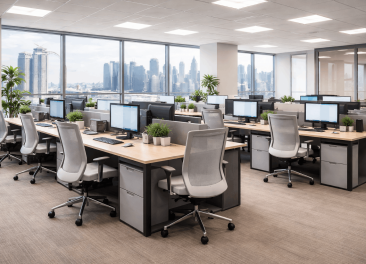
It is also advisable to avoid steam cleaning in spaces with limited ventilation, such as enclosed bedrooms, small offices, or areas that rely heavily on air-conditioning. In these settings, carpets may take longer to dry, increasing the risk of lingering dampness and odour issues.
Older carpets or carpets with thick underlay may also be unsuitable for steam cleaning, as moisture can penetrate deep into the padding and remain trapped. When quick drying and moisture control are priorities, alternative professional cleaning methods may be more appropriate.